Understanding Online Scams
Online scams represent a significant and growing threat in today’s digital landscape. These scams are deceptive schemes designed to exploit individuals for financial gain, manipulation, or the extraction of personal information. As the internet evolves, so do the tactics and methods employed by fraudsters, making it crucial for individuals to understand the various forms online scams can take.
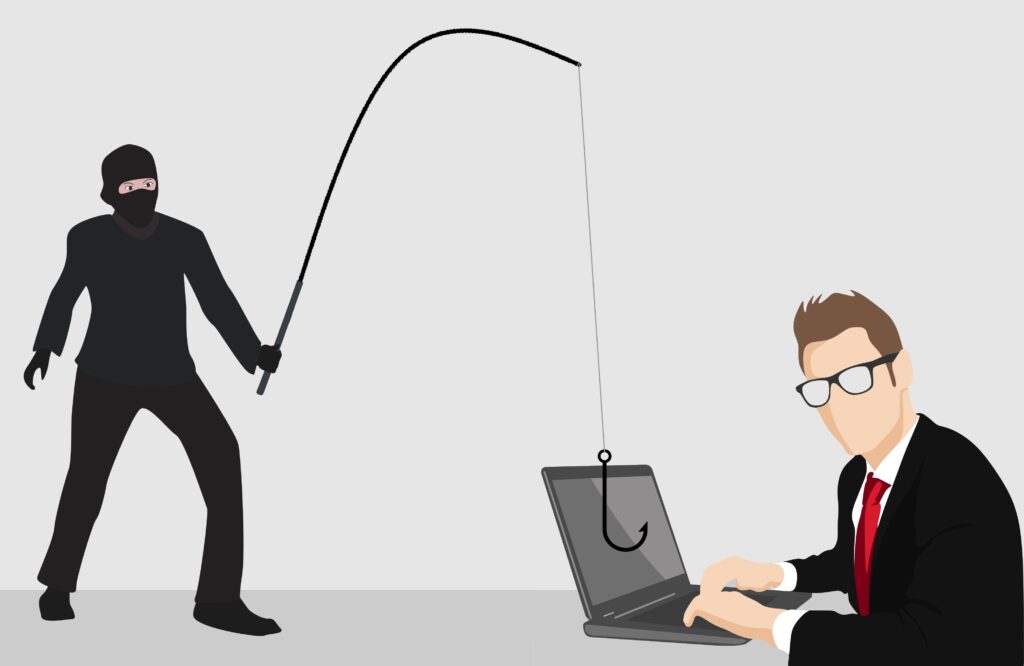
One prevalent form of online scam is phishing, where scammers impersonate legitimate organizations to deceive individuals into divulging sensitive information such as passwords or credit card details. This is typically executed through fraudulent emails or websites mimicking trusted sources. Another common variant is identity theft, where a scammer steals personal information to commit fraud, opening new accounts or making purchases in the victim’s name, causing long-lasting financial and emotional repercussions.
Online shopping fraud has also surged in popularity, especially with the rise of e-commerce. Scammers set up fraudulent websites or use fake advertisements to lure consumers into making purchases for non-existent products. Similarly, investment scams, including Ponzi schemes and fake investment opportunities, exploit the promise of high returns to attract unsuspecting victims, ultimately leading to significant financial losses.
The prevalence of these scams can largely be attributed to the relatively low barrier to entry for scammers and the increasing reliance on online transactions and communications. Awareness and education are vital in recognizing the signs of these deceptive practices, such as suspicious emails, unsolicited requests for personal information, or deals that seem too good to be true. By understanding the types of online scams and their common tactics, individuals can better protect themselves against such fraudulent activities.
Recognizing the Warning Signs
As the digital landscape continues to evolve, so does the sophistication of online scams. Awareness of the warning signs is essential in avoiding falling victim to these deceitful tactics. One of the most prominent indicators of a potential scam is unusual requests for personal information. Legitimate organizations rarely ask for sensitive data, such as passwords or social security numbers, via email or text messages. If you receive such a request, it is paramount to verify the source directly, rather than responding to the communication.
Another red flag is the presence of poor spelling or grammar in the messages. Scammers often do not pay attention to details, leading to poorly crafted content. Legitimate companies usually maintain a high standard of communication, so errors in spelling or grammar can be a strong signal that the correspondence is not genuine.
Additionally, unsolicited messages should raise alarm bells. If you receive an unexpected email or message from someone you do not know, particularly one that makes an enticing offer, it is advisable to be cautious. Scammers often create a sense of urgency to provoke immediate responses, which can cloud judgment and lead to hasty decisions.
Moreover, offers that seem too good to be true warrant skepticism. Whether it’s an irresistible deal on a product or an unrealistic investment opportunity, exercising caution is key. Scammers lure victims by promising large payouts or exceptional products at remarkably low prices. Such offers often end in disappointment, financial loss, or identity theft.
By recognizing these warning signs, individuals can enhance their ability to identify potential online scams, thereby protecting themselves from potential threats and negative repercussions.
Protecting Your Personal Information
In today’s increasingly digital world, safeguarding your personal information has become essential to prevent online scams. One of the primary steps in protecting your information is to create strong, unique passwords for each of your online accounts. A good password should be at least 12 characters long and incorporate a combination of uppercase letters, lowercase letters, numbers, and symbols. This complexity makes it significantly more difficult for cybercriminals to guess or crack your passwords through brute force attacks.
In addition to robust passwords, enabling two-factor authentication (2FA) is highly recommended. 2FA adds an extra layer of security by requiring not only your password but also a second factor, such as a temporary code sent to your mobile device. This way, even if a scammer manages to acquire your password, they still cannot access your account without the second verification method.
When it comes to sharing information online, particularly on social media, exercising caution is crucial. Always assess whether the information you are sharing is necessary and consider who will have access to it. Make sure to review your privacy settings to limit who can see your posts and personal details. For instance, sharing your location in real-time can make you an easy target for scammers, so it is advisable to avoid broadcasting such information. Additionally, be skeptical of friend requests or messages from unknown individuals, as these can often be potential scams aimed at acquiring your sensitive information.
By taking these proactive measures, you can significantly reduce the chances of falling victim to scams that exploit personal information. Creating strong passwords, utilizing two-factor authentication, and being mindful of the information shared on social media are vital components of a comprehensive online protection strategy.
Safe Browsing Practices
In an increasingly digital world, adopting safe browsing practices is crucial in order to protect oneself from online scams. One of the fundamental methods of ensuring a secure browsing experience is to prioritize the use of secure websites. When entering potentially sensitive information such as passwords or credit card numbers, users should verify that the website is secure. This can be done by checking for URLs that begin with “https://”, where the “s” signifies a secure protocol. Additionally, observing the presence of a padlock icon in the address bar can serve as an indicator of a site’s security.
It is also important to recognize various URL markers that can signal the legitimacy of a website. Users should be cautious of URLs that use misspellings or variations of well-known brands, as these may indicate fraudulent sites aimed at stealing personal information. Additionally, hovering over links before clicking can reveal their true destination, allowing users to avoid potential phishing attempts.
Furthermore, utilizing features such as ad blockers can provide a layer of protection while browsing. These tools can prevent intrusive advertisements, many of which may lead to malicious sites or contain scams. By blocking these ads, users reduce their exposure and minimize the risk of accidentally engaging with harmful content.
Being aware of one’s online environment extends to regularly updating web browsers and security software, as these updates often contain essential patches to safeguard against vulnerabilities that scammers might exploit. Users should also educate themselves about common online scams and remain vigilant while navigating the web. Consequently, implementing such safe browsing practices not only promotes a secure online experience but also empowers users to navigate the digital landscape with confidence.
Identifying Secure Websites
In today’s digital landscape, online security is paramount, particularly when engaging with new websites or e-commerce platforms. Ensuring that a website is secure can significantly reduce the likelihood of falling victim to scams. One of the first indicators of a secure site is the presence of HTTPS in the URL. Websites that utilize HTTPS (Hypertext Transfer Protocol Secure) employ encryption to protect the data being exchanged between the user and the server. The presence of a padlock icon in the address bar also signifies that the connection is secure, ensuring that your personal information is less susceptible to interception.
In addition to checking for HTTPS, it is essential to look for site security seals. Organizations like McAfee, Norton, or TrustedSite provide verification to indicate that a website meets certain security standards. These seals often feature prominently on the homepage or checkout page. While not all secure websites display these seals, their presence can enhance your confidence in the site’s safety. Be mindful, however, as scammers sometimes use fake seals to mislead users. To verify the authenticity of a security seal, users can usually click on it to learn more about the certification.
Furthermore, researching a website’s reputation through reviews and ratings is also a prudent practice. Numerous platforms allow users to share experiences regarding their transactions with specific online stores. Reading these reviews provides valuable insights into the reliability and legitimacy of a website. A website with positive reviews and high ratings is generally much safer to use than one with numerous complaints or red flags. Ultimately, taking the time to analyze these security features can greatly enhance your overall online shopping experience and protect you from potential scams.
Utilizing Technology for Protection
In the digital age, protecting oneself from online scams is paramount, and various technologies can assist in this endeavor. One of the primary tools individuals should consider is antivirus software. This type of software plays a crucial role in detecting and removing malicious software, or malware, that can compromise personal information. Modern antivirus programs often include real-time protection that alerts users about potential threats, ensuring a proactive approach to online security.
Another significant tool is anti-phishing software. Phishing attacks, which aim to deceive users into providing sensitive information, have become increasingly sophisticated. Anti-phishing solutions work by analyzing emails and websites for signs of fraud, allowing individuals to navigate the internet with greater confidence. Many web browsers are now equipped with built-in anti-phishing features that can warn users of suspicious websites before they proceed.
Password managers are also instrumental in enhancing online security. These applications securely store and manage passwords, making it easier for users to maintain unique, complex passwords for different accounts. With the rise of data breaches, using a password manager reduces the risk associated with reusing passwords across multiple platforms, which can often be targeted by cybercriminals. Additionally, many of these tools can generate strong passwords, adding another layer of protection.
Utilizing two-factor authentication (2FA) is also a recommended cybersecurity measure. This additional step requires users to provide two forms of identification before accessing an account. By doing so, individuals can significantly decrease the likelihood of unauthorized access, even if a password is compromised. Overall, leveraging these technologies empowers users to create a safer online environment, reducing the risk of falling victim to scams.
Reporting Scams and Fraudulent Activity
If you encounter a scam or believe you have fallen victim to one, it is crucial to take immediate action. Reporting scams not only helps protect yourself from further loss but also aids in safeguarding others by alerting relevant authorities. The first step is to gather all pertinent information about the scam, including details such as names, addresses, phone numbers, email addresses, and specifics of the interaction, such as dates and monetary amounts involved.
In the United States, the Federal Trade Commission (FTC) is the primary authority to report scams. You can file a complaint online at their official website. The FTC collects data on fraud and shares it with law enforcement agencies. In addition to the FTC, consider reporting to the Internet Crime Complaint Center (IC3), especially if the scam occurred online.
In Canada, victims can report incidents to the Canadian Anti-Fraud Centre. This national agency gathers information on scams and frauds, providing valuable insights into trends and patterns in fraudulent activity. For those in other countries, check local consumer protection agencies, as many maintain dedicated platforms for reporting scams.
While reporting to authorities is essential, do not underestimate the impact of sharing your experience with friends, family, and online communities. Informing others about the scam may prevent them from becoming future victims. Furthermore, you can report scams on social media platforms to alert other users and help spread the word about dangerous practices and schemes. Remember, every report counts and contributes to a collective effort to combat fraud.
Maintaining vigilance and sharing information about scams is a vital element in the fight against fraudulent activities. By taking these steps, you play a critical role in protecting not just yourself, but also the broader community.
Staying Informed About New Scams
In today’s digital age, the prevalence of online scams evolves rapidly, necessitating that individuals remain vigilant and informed. Being aware of emerging scams is essential for protecting oneself from financial loss, identity theft, and various forms of fraud. One effective strategy is to subscribe to consumer protection alerts provided by reputable organizations dedicated to internet safety. These alerts can inform subscribers about the latest scams, helping them stay a step ahead of potential threats.
Popular sources for these alerts include governmental agencies such as the Federal Trade Commission (FTC) and organizations like the Better Business Bureau (BBB). These platforms disseminate valuable information on new phishing techniques, fraudulent schemes, and deceptive practices aimed at unsuspecting victims. In addition to subscribing to alerts, following credible news outlets is crucial. Many news organizations feature sections specifically detailing consumer issues, including reports on online scams. Regularly checking these updates will keep individuals informed about the latest threats and advisories.
Moreover, engaging with online communities focused on cybersecurity can further enhance personal awareness. Forums, social media groups, and chat platforms dedicated to discussing cybersecurity topics are excellent resources for staying informed. Here, users share their experiences, insights, and knowledge of various scams, providing a communal approach to vigilance. By contributing to discussions and asking questions, individuals can gain a deeper understanding of current tactics employed by scammers.
By actively seeking out information and remaining engaged with consumer protection resources, individuals can significantly reduce their risk of falling victim to online scams. Awareness and education are paramount in navigating the complex online landscape safely.
Empowering Yourself with Knowledge
Staying safe online is an ongoing endeavor that necessitates continuous education and awareness. With the rapid evolution of technology and the internet, new online scams are emerging regularly, making it crucial for individuals to remain well-informed. One effective strategy for enhancing your online safety is to participate in educational initiatives that focus on digital literacy and cyber safety. Workshops, webinars, and online courses dedicated to these topics are widely available and provide valuable insights into the tactics used by online scammers.
Engaging in such learning opportunities empowers individuals to recognize the signs of scams and understand best practices for safeguarding personal information online. For example, many organizations offer free resources that cover fundamental topics, including identifying phishing emails, using secure passwords, and protecting personal data across various platforms. These educational initiatives can bolster your ability to navigate the internet safely.
Additionally, staying connected with communities focused on digital safety can also enhance your awareness. Forums, social media groups, and cyber safety advocacy organizations regularly share tips, news on emerging threats, and guidance on how to respond to potential scams. By actively following these channels, you can ensure that you are informed about the latest strategies employed by cybercriminals and the available tools to combat them.
Ultimately, investing time in educating yourself about online scams is a proactive step toward securing your online experiences. Continuous learning about digital safety not only protects you but contributes to a safer online environment for everyone. By making informed choices and staying updated, individuals can significantly reduce the risk of falling victim to online scams and can foster a community of informed internet users prepared to combat these threats.
About the Author





1 thought on “How to Protect Yourself from Online Scams”