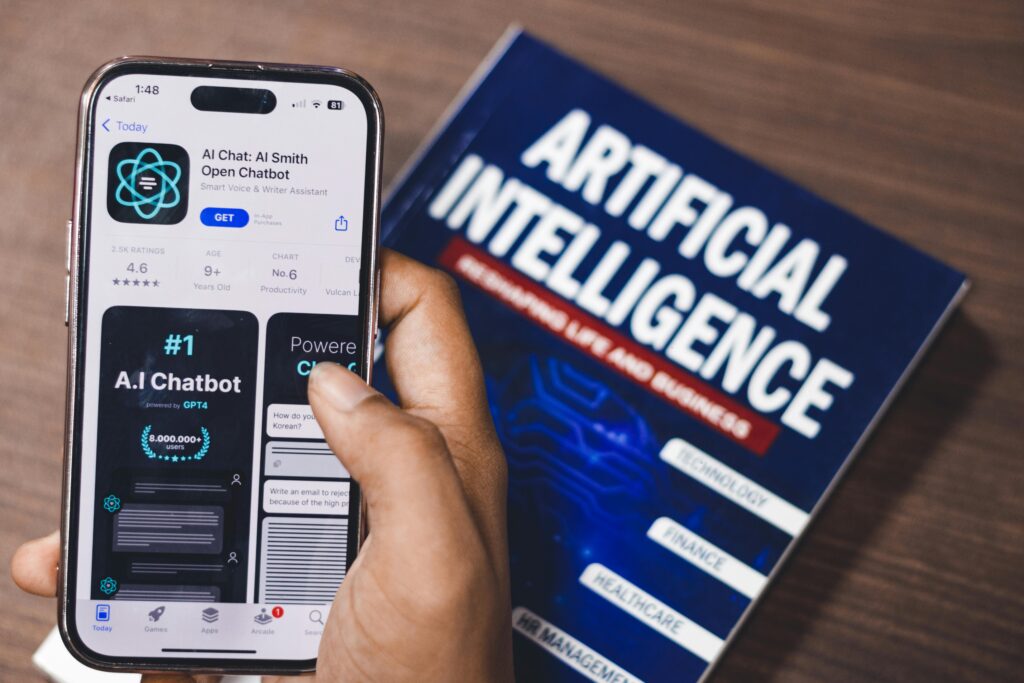
Introduction to ChatGPT and Advanced Chatbots
ChatGPT represents a significant milestone in the realm of artifArtificial intelligence can lost Your Job in 2026!icial intelligence, particularly in the development of advanced chatbots. This sophisticated technology interprets and generates human-like text, enabling a more engaging and seamless interaction between users and automated systems. The evolution of chatbots has seen them transition from simple programmed responses to intricate systems capable of understanding context, sentiment, and even humor. This advancement is driven by the underlying machine learning algorithms and large datasets, allowing chatbots to continuously improve and adapt to user preferences over time.
The significance of AI in customer interaction is paramount. Businesses are increasingly integrating advanced chatbots, such as ChatGPT, into their customer service frameworks. These AI-driven entities can handle inquiries 24/7, providing immediate responses to user questions, thus enhancing customer satisfaction. With capabilities to process natural language and analyze user inputs, chatbots can recognize issues quickly and provide tailored solutions without human intervention. This not only optimizes the efficiency of service delivery but also reduces operational costs for businesses.
As technology continues to advance, we have witnessed notable improvements in chatbot functionalities. Features such as multi-turn dialogues, context retention, and personalized recommendations enable chatbots like ChatGPT to perform tasks that were once deemed complex. Moreover, advanced chatbots are being equipped with emotional intelligence, allowing them to respond appropriately to user emotions, which significantly enriches the user experience. As we delve deeper into the world of chatbots, this blog post will highlight ten must-have advanced chatbots that showcase the capabilities of ChatGPT and similar technologies in 2026, illustrating the future of customer interaction.
Key Features of Advanced Chatbots in 2026
As we advance towards 2026, the landscape of chatbots has evolved significantly, integrating cutting-edge technologies to enhance user interaction and satisfaction. The key features that define these advanced chatbots include sophisticated natural language processing (NLP), context retention capabilities, enhanced personalization, and seamless integration with various technologies.
NLP remains at the forefront of chatbot development. By employing algorithms that can understand and generate human-like responses, advanced chatbots are capable of comprehending user intent more accurately. This, in turn, leads to improved interaction quality, as users can express themselves in natural language without needing to adapt to a rigid command syntax.
Context retention is another hallmark of these modern chatbots. This feature allows for continuity in conversations, enabling the chatbot to remember previous interactions and contextually relevant information throughout a user’s journey. The ability to maintain context not only enhances user satisfaction but also facilitates more meaningful and engaging conversations, making the interaction feel less transactional and more relational.
Furthermore, personalization is becoming increasingly vital in the chatbot experience. By leveraging user data and preferences, these chatbots can tailor responses and recommendations to each individual. This personalization creates a sense of familiarity and relevance, significantly improving the user experience and nurturing brand loyalty.
Finally, the integration of advanced chatbots with additional technologies such as artificial intelligence, machine learning, and various APIs ensures a more robust functionality. These technological enhancements allow chatbots to access up-to-date information, provide personalized assistance, and connect with other platforms and services, creating a cohesive ecosystem that enriches user engagement.
The Role of Machine Learning in Chatbot Development
Machine learning has revolutionized the development of advanced chatbots, leading to significant improvements in their performance and user interaction capabilities. At the core of this advancement is the use of complex algorithms that enable chatbots to process and analyze vast amounts of data. This allows them to recognize user intents and generate relevant responses.
Training data plays a crucial role in the effectiveness of machine learning algorithms used in chatbots. This data comprises various inputs, including conversations, queries, and responses, which are essential for teaching the chatbot about human language and conversational patterns. The quality and quantity of training data directly influence a chatbot’s accuracy and efficiency in understanding and responding to user requests. The more diverse and extensive the training dataset, the better the chatbot can learn and adapt to different scenarios.
Several machine learning techniques are employed in chatbot development, including supervised learning, unsupervised learning, and reinforcement learning. Supervised learning involves training the chatbot on labeled datasets where the correct responses are provided, allowing it to learn from examples. In contrast, unsupervised learning enables the chatbot to identify patterns in data without explicit instructions. Finally, reinforcement learning uses a trial-and-error approach, optimizing the chatbot’s responses based on user feedback and interactions.
Machine learning enables chatbots to continually improve over time. As they interact with users, they can learn from each conversation, refining their understanding and evolving their responses. This ongoing learning process makes chatbots more adaptable and efficient, meaning they can provide increasingly accurate and contextually relevant information. Through the integration of machine learning, chatbots are now capable of handling complex queries, making them indispensable in various industries.
The Top 10 Must-Have Advanced Chatbots in 2026
As we move into 2026, the landscape of advanced chatbots is more dynamic than ever. Many organizations are leveraging cutting-edge bots to streamline processes, enhance customer experience, and drive efficiency. Here, we outline ten must-have chatbots that are defining the future.
1. ChatGPT AI – As an evolved version of its predecessors, ChatGPT AI stands out for its conversational depth and context retention. Primarily aimed at customer support, it can handle inquiries across various industries including e-commerce and finance.
2. Watson Assistant – IBM’s Watson Assistant excels in enterprise environments. Its ability to integrate with existing systems allows businesses in sectors like healthcare and telecommunications to provide personalized support effectively.
3. Rasa – Rasa is renowned for its versatility in creating customizable chatbots. Targeting developers and businesses in tech, it offers exceptional flexibility for deploying sophisticated conversation flows.
4. Botpress – This open-source platform is designed for businesses wanting full control over their chatbots. Ideal for industries such as retail, it allows users to create highly tailored customer interaction experiences.
5. Drift – Drift specializes in sales and marketing automation. With robust features for lead generation, it aids companies in sectors like real estate and SaaS to facilitate real-time communication.
6. Tidio – Used heavily in e-commerce, Tidio combines live chat with chatbot functionalities. Its integration with various sales platforms helps businesses engage and convert potential customers seamlessly.
7. ManyChat – Primarily focused on Messenger and SMS, ManyChat is popular among businesses in hospitality for enhancing customer engagement through promotional campaigns and customer support.
8. LivePerson – LivePerson’s AI-driven chatbots are utilized extensively across sectors such as banking, providing proactive customer service and facilitating complex transactions through conversational interfaces.
9. Landbot – This no-code chatbot tool is tailored for marketers. It enables the creation of interactive landing pages, making it an essential asset for digital marketing strategies across multiple industries.
10. Ada – Ada focuses on simplifying customer interactions in global businesses. Its multilingual capabilities make it suitable for companies seeking to expand their reach in diverse markets.
Each of these advanced chatbots presents distinctive functionalities tailored to unique business needs and industries. By incorporating such technologies, organizations can enhance operational efficiency and improve customer satisfaction.
Case Studies: Successful Implementations of Advanced Chatbots
As businesses aim to enhance customer experience and streamline operations, the integration of advanced chatbots has become instrumental. Several companies across various sectors have embraced this technology, leading to notable improvements.
One striking example is a major retail chain that implemented an AI-driven chatbot to assist customers with real-time inquiries. The challenge lay in the fact that their previous customer support methods were slow, leading to customer dissatisfaction. By adopting an advanced chatbot, they enhanced response times significantly. The implementation involved extensive training of the chatbot to understand product queries, assisting customers in locating products within stores, and even handling returns. Within just six months, customer satisfaction scores improved by 30%, showcasing the effectiveness of advanced chatbots in meeting consumer needs.
In the healthcare sector, a leading hospital leveraged advanced chatbots to optimize patient engagement. The initial challenge was managing a vast amount of inquiries related to scheduling, patient information, and general health advice. The hospital integrated a sophisticated chatbot to provide 24/7 assistance. Challenges included ensuring that the chatbot could handle sensitive medical queries and maintain compliance with healthcare regulations. The outcome was remarkable; the hospital reported a 40% reduction in phone call volume, allowing staff to dedicate more time to patient care, thus enhancing the overall patient experience.
Moreover, in the financial services industry, a prominent bank introduced a chatbot to assist users with their banking transactions and inquiries. They faced hurdles in securing customer trust regarding data privacy. Through rigorous security measures and transparent communication, the bank successfully addressed customer concerns. Post-implementation, they noted a 50% increase in mobile app engagement and a marked decrease in manual transaction handling.
These case studies illustrate the transformative power of advanced chatbots. By addressing distinct challenges within their industries, these organizations not only enhanced their operational efficiency but also improved customer satisfaction, demonstrating the potential of chatbots in diverse applications.
The Importance of User Experience in Chatbot Design
In the rapidly evolving digital landscape, the significance of user experience (UX) in chatbot design cannot be overstated. As chatbots become integral components of customer service and user interaction, ensuring that these AI-driven tools provide an engaging, intuitive, and efficient experience is critical. A well-designed chatbot meets the needs of its users while minimizing frustration and maximizing satisfaction.
One of the primary best practices in chatbot design is to prioritize clarity of communication. This involves using simple, straightforward language and providing users with clear instructions. A user-friendly interface should guide users toward achieving their goals without overwhelming them with excessive options or complex commands. Additionally, incorporating an effective onboarding process can familiarize users with the features and capabilities of the chatbot, enhancing their overall experience.
Furthermore, it is essential to provide quick and accurate responses. Users expect instant gratification when interacting with chatbots, so optimizing response time is key. This can be achieved through techniques like anticipating user queries based on common questions and programming chatbots to handle those efficiently. Building in context awareness capabilities allows chatbots to tailor responses based on previous interactions, further enhancing the UX.
Another critical aspect of UX is making chatbots emotionally intelligent. This involves programming them to recognize and respond appropriately to user emotions. Simple expressions of empathy can significantly elevate user satisfaction. For instance, if a user expresses frustration, the chatbot should acknowledge it and offer reassurance.
Ultimately, the effectiveness of a chatbot hinges on its ability to deliver a seamless user experience. By focusing on intuitive design, responsive interaction, and emotional intelligence, developers can create advanced chatbots that not only fulfill user needs but also foster positive connections with users, making them indispensable tools in modern communication.
Ethical Considerations in Chatbot Development
As the landscape of artificial intelligence evolves, the ethical considerations surrounding the development of advanced chatbots, including systems like ChatGPT, have become increasingly significant. Central to these discussions are the themes of privacy, data security, and potential misuse. These challenges require careful scrutiny to ensure that chatbot technologies are developed and deployed responsibly.
Privacy is a paramount concern in chatbot development due to the sensitive nature of user interactions. Chatbots often collect substantial amounts of personal data to enhance user experience and improve functionality. Developers must prioritize user consent and transparency, ensuring that individuals are fully aware of how their information is used, stored, and distributed. Adhering to privacy laws such as GDPR and CCPA is not merely a compliance requirement; it is a critical step towards building trust with users.
Data security also plays a crucial role in the ethical landscape. Chatbots are susceptible to data breaches and unauthorized access, which can lead to significant consequences for both the users and the organizations involved. Implementing robust security measures, including encryption and regular security audits, is essential to safeguard sensitive data. Developers should employ best practices and continuously update their systems to defend against emerging cyber threats.
Moreover, there is a real risk of misuse of chatbot technologies. These systems could potentially be exploited for malicious purposes, such as spreading misinformation or automating harmful behaviors. To mitigate these risks, developers must establish clear guidelines and ethical frameworks that govern the use of chatbots. Engaging stakeholders from diverse fields, including ethics experts, legal professionals, and community representatives, in the development process can help create a holistic approach to ethical chatbot deployment.
In conclusion, addressing the ethical considerations in chatbot development is not just a matter of compliance but rather a commitment to fostering technologies that respect user rights and promote societal good.
Future Trends in Chatbot Technology
As we look towards the future of chatbot technology beyond 2026, several emerging trends are poised to reshape the landscape of interaction between users and artificial intelligence. One of the key trends is the integration of advanced machine learning algorithms, allowing chatbots to better understand and predict user behavior. This adaptation will create more personalized experiences, as chatbots will not only respond to queries but also anticipate user needs based on past interactions.
Another significant aspect shaping the future of chatbots is the rise of natural language processing (NLP) capabilities. With advancements in NLP, chatbots will exhibit a greater understanding of context, tone, and sentiment, enabling them to engage in more human-like conversations. This leap forward will enhance customer service applications, making interactions smoother and more efficient, fostering a more satisfying experience for users.
The incorporation of multi-modal interfaces is also expected to revolutionize chatbot functionality. By enabling chatbots to communicate through voice, text, and visual elements, users will have more versatile interactions. This adaptability is important as it caters to diverse user preferences and allows for richer information sharing. As voice recognition technology matures, chatbots will increasingly become embedded in smart home devices and mobile platforms, further expanding their reach.
Moreover, there is a growing emphasis on privacy and data security, pushing developers to build chatbots that prioritize user trust. As users become more aware of data usage, chatbots will need to transparently handle information while adhering to regulations like GDPR. This shift will redefine how data is managed and utilized, balancing personalization with user consent.
In conclusion, the future of chatbot technology is bright, marked by advancements in machine learning, natural language processing, multi-modal interfaces, and an increased focus on privacy. As we move forward, these innovations will not only redefine how chatbots function but will also significantly enhance the user experience, making conversational AI an integral part of daily life.
Conclusion: Embracing the Future of Chatbots
As we look towards the future, it is crucial to acknowledge the transformative impact that advanced chatbots, such as ChatGPT, are set to have on both businesses and individual users. The rapid evolution of chatbot technology signifies a shift in how organizations interact with customers, enabling more personalized and efficient communication. Businesses that embrace these innovations can gain a competitive edge by optimizing customer service experiences, which can lead to increased satisfaction and loyalty.
Moreover, chatbots are not only streamlining operations but also facilitating data collection and analysis, allowing companies to make informed decisions driven by customer insights. For users, advanced chatbots can provide a seamless interaction experience, offering immediate assistance and information, thus enhancing overall service efficiency. This new era of communication emphasizes the importance of adaptability in our interactions with technology.
As these sophisticated systems continue to evolve, it is imperative for businesses to remain agile and open to incorporating such technologies into their strategies. Understanding and implementing advanced chatbots will be a key factor in shaping the customer experience of tomorrow. Organizations should consider training staff to work alongside these intelligent systems, ensuring that they can leverage their full potential while maintaining a human touch in customer relations.
Ultimately, the journey of adapting to a landscape enriched by advanced chatbots is not merely about technological advancement; it is also about cultivating a forward-thinking mindset. Companies that proactively explore and integrate chatbots will be positioned to enhance their operations and drive innovation. Embracing this change is vital for ensuring long-term success in an increasingly digital world.
About the Author






1 thought on “What is a best advanced ai chatbot in 2026”