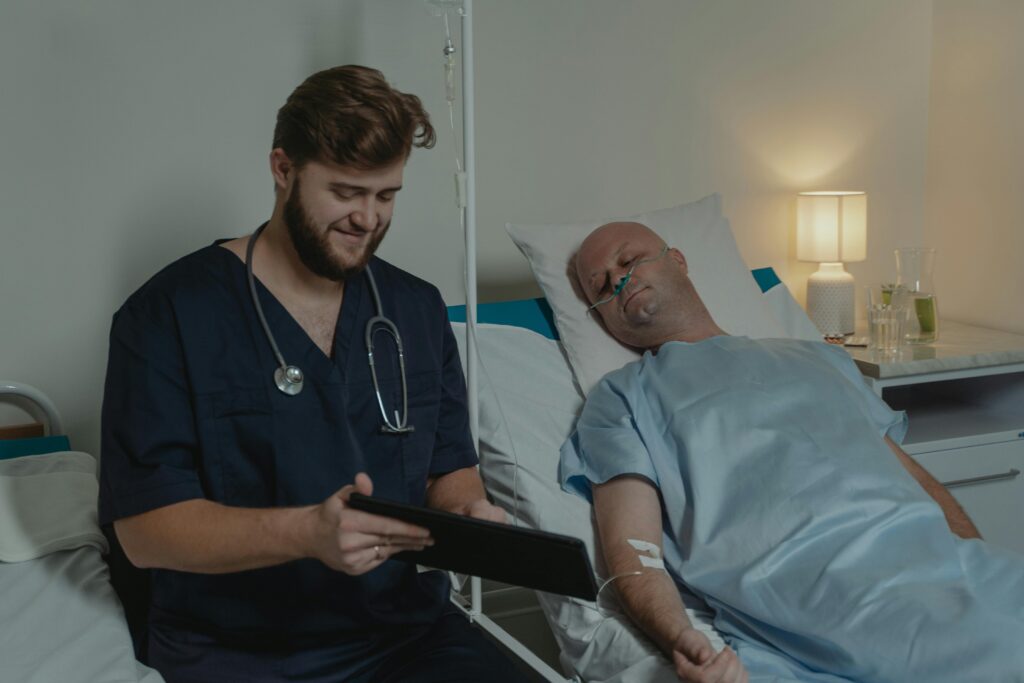
As we approach 2026, the need for qualified nurses across Europe is becoming increasingly critical. This demand is primarily driven by the ongoing challenges faced by healthcare systems, compounded by rapidly aging populations in many EU coTop 5 Delivery Companies in Europe,An Overview which one.untries. The implications of these demographic shifts cannot be overstated, as a significant portion of the population will require access to healthcare services, highlighting the essential role of nursing professionals.
Recent statistics underscore the urgency of this situation. According to projections, it is estimated that by 2026, several EU member states will face a shortfall of healthcare professionals, particularly in nursing. For instance, countries like Germany and Italy are projected to experience a decrease in the available nursing workforce, owing to both retirements and high turnover rates. Such shortages can lead to increased workloads for existing staff, potentially compromising the quality of care provided to patients.
Additionally, the COVID-19 pandemic has further exacerbated existing challenges within healthcare systems. The strain placed on hospitals and nursing facilities has drawn attention to the critical need for more nursing staff, as many facilities struggled to cope with increased patient numbers and the requirement for specialized care. Consequently, governments and healthcare organizations are recognizing the urgent need to invest in nursing education and recruitment initiatives to ensure an adequate supply of qualified nurses in the coming years.
To address the need for nursing professionals, various EU countries are implementing strategies such as incentive programs for nurses, enhancing training opportunities, and promoting the profession among younger generations. By fostering a stable pipeline of new nurses, healthcare systems can better prepare for future challenges. As we navigate the evolving landscape of healthcare in Europe, it is vital to understand the essential role of nurses and the opportunities that lie ahead in this field.
Educational Pathways to Nursing
Transitioning into a nursing career encompasses several educational routes tailored to varying individual circumstances and career aspirations. One of the most common pathways is acquiring an Associate Degree in Nursing (ADN), which typically spans two years and offers fundamental nursing knowledge and skills. This program is often ideal for those looking to enter the nursing workforce swiftly.
For those seeking a more comprehensive education that opens additional career opportunities, pursuing a Bachelor of Science in Nursing (BSN) is recommended. A BSN program typically requires four years of study and provides a deeper understanding of the nursing profession, encompassing leadership, research, and community health. This degree is increasingly favored by employers and is often a prerequisite for advanced nursing roles.
Accelerated nursing programs have emerged as a viable option for individuals who possess a degree in another field and wish to switch to nursing. These programs generally condense the traditional curriculum into a shorter timeframe, often completed in 12 to 18 months. This route allows motivated individuals to leverage their previous educational experience to expedite their entry into the nursing profession.
Regardless of the educational path chosen, obtaining the necessary licensure remains critical. In the EU, aspiring nurses must pass a state examination to acquire the required license to practice. Additionally, various certifications may enhance a nurse’s qualifications and job prospects. These may include specializations in areas such as pediatrics, geriatrics, or critical care, which can significantly influence a nurse’s career trajectory.
Skills Required for Modern Nursing
The healthcare landscape is rapidly evolving, necessitating a reevaluation of the skills required for nursing professionals. As we approach 2026, the demand for nurses in the European Union will be influenced by advancements in technology and changes in patient care paradigms. Consequently, a diverse skill set will be paramount for future nurses to meet the expectations of the profession.
Firstly, technical skills are becoming increasingly important. Future nurses must be proficient in utilizing advanced medical technologies and electronic health records systems. Familiarity with telehealth platforms, wearable health devices, and data management tools will enhance their ability to provide efficient care. The integration of artificial intelligence and machine learning into clinical practices will also require nurses to adapt and learn continuously. This technical proficiency ensures that patients receive the best possible care informed by real-time data.
Moreover, critical thinking and problem-solving skills are essential for navigating complex clinical situations. Nurses will encounter an array of unique patient scenarios that necessitate prompt assessments and decisions. By cultivating strong analytical capabilities, future nurses will be better equipped to evaluate patient needs, prioritize interventions, and implement effective care plans that align with best practices.
Finally, empathetic communication remains a cornerstone of nursing. Effective nurses must be able to establish rapport with patients and their families, ensuring that care is both compassionate and culturally sensitive. As the diversity of patient populations continues to increase, the ability to communicate clearly and empathetically will foster trust and encourage patient adherence to treatment protocols.
In essence, the combination of technical skills, critical thinking, and empathetic communication will define the competencies of modern nurses, equipping them to thrive in the evolving healthcare environment. These skills will not only enhance the quality of care provided but will also address the growing demand for skilled nursing professionals in the EU.
Job Opportunities and Specializations in Nursing
The nursing profession is becoming increasingly diverse, offering a variety of job opportunities and specializations. As the healthcare landscape evolves, focusing on specific areas of nursing can greatly enhance job prospects and job satisfaction. Among the various nursing specializations, geriatric nursing, pediatric nursing, and nurse practitioners are among the most recognized and sought after in the European Union.
Geriatric nursing specializes in caring for the elderly population, addressing complex health issues such as chronic illnesses, mobility challenges, and mental health disorders. With the aging population in the EU, the demand for geriatric nurses is expected to grow significantly. This specialization not only requires keen clinical skills but also compassion and patience, as geriatric nurses work closely with patients who may have multifaceted health concerns. As a result, pursuing a career in geriatric nursing can offer rewarding job opportunities.
Pediatric nursing, on the other hand, is focused on the care of infants, children, and adolescents, requiring nurses who are adept at addressing the unique health needs of young patients. Pediatric nurses work diligently in hospitals, outpatient facilities, and community health settings. Due to the continuous rise in birth rates and advances in pediatric healthcare, this specialization remains critically important and is expected to see sustained demand within the EU healthcare system.
Furthermore, nurse practitioners (NPs) represent an advanced practice nursing role that allows for greater autonomy and responsibility. NPs are equipped to provide a range of healthcare services, including diagnosis and treatment, while often specializing in areas such as family health, mental health, and acute care. With ongoing trends towards integrated healthcare and increased accessibility, the role of nurse practitioners is anticipated to expand, presenting abundant job opportunities for aspiring nurses.
In summary, the nursing profession within the EU is multifaceted, with specializations such as geriatric nursing, pediatric nursing, and nurse practitioners anticipated to experience heightened demand. These specializations offer not only fulfilling career paths but also important contributions to public health, ultimately meeting the dynamic needs of the population.
Countries in the EU With Most Job Opportunities
The demand for nurses across the European Union (EU) is steadily rising, driven by an aging population and an increasing focus on quality healthcare. Among the member states, several countries stand out for their robust healthcare systems and the volume of job opportunities available for nursing professionals.
Germany remains a frontrunner in terms of demand for nurses, with reports indicating a need for over 300,000 additional nursing staff by 2026. The country’s well-structured healthcare system, supported by a blend of public and private funding, has created a favorable environment for nursing professionals. Furthermore, the German government has implemented initiatives to attract foreign nurses, offering language training and integration programs to support their transition.
In addition, the United Kingdom, despite Brexit, continues to present significant opportunities for nurses. The National Health Service (NHS) has expressed an ongoing requirement for nursing staff, especially in specialized areas such as mental health and geriatrics. Recent statistics highlight that approximately 40,000 vacant nursing positions are currently impacting patient care, prompting initiatives to streamline the immigration process for healthcare professionals.
France also showcases a strong demand for nurses, particularly in rural areas where healthcare services are limited. The French government is actively investing in healthcare infrastructure, which is expected to generate 100,000 new nursing jobs in the next few years. This initiative is part of a broader strategy to enhance healthcare accessibility across both urban and rural settings.
Finally, the Nordic countries, including Sweden and Denmark, are experiencing a growing need for nursing personnel, driven by a commitment to high-quality healthcare and favorable working conditions. Both countries have introduced various benefits to attract international nurses, such as competitive salaries, generous leave policies, and professional development opportunities, making them attractive destinations for aspiring nursing professionals.
Impact of Technology on Nursing Careers
In the current healthcare landscape, technology plays a pivotal role in shaping nursing careers. With advancements such as telemedicine and nursing informatics, the profession has undergone significant transformations. Telemedicine, for instance, allows nurses to provide care remotely, enhancing patient access to health services while managing time more efficiently. This approach not only expands the reach of nursing services, especially in underserved areas, but it also fosters a shift towards more patient-centered care.
Nursing informatics is another critical area influenced by technology, integrating data, information, and knowledge to improve patient outcomes. This specialization equips nurses with the skills to analyze health data effectively, allowing for enhanced decision-making processes. By leveraging electronic health records and other health information systems, nurses can streamline workflows, reducing errors and improving care coordination.
The implications of these technological advancements extend to nursing education as well. Educational institutions are adapting curricula to incorporate training in these critical areas, ensuring that future nurses are well-versed in using technology in clinical settings. This includes not only understanding how to use telemedicine platforms but also mastering the tools and technologies that support nursing informatics. As a result, nursing programs now emphasize interdisciplinary collaboration, with an increasing focus on teaching students how to work effectively alongside other healthcare professionals in a technology-driven environment.
As technology continues to evolve, so too will the expectations and responsibilities of nursing professionals. Embracing these changes is essential for nurses to remain relevant in the ever-changing healthcare sector. The incorporation of technology into nursing practice not only enhances service delivery but also positions nurses at the forefront of innovation, contributing to improved healthcare outcomes across the European Union.
Preparing for a Nursing Career in 2026
As the demand for healthcare professionals continues to rise in the European Union, aspiring nurses in 2026 need to take proactive steps to prepare for a rewarding career in nursing. One of the most effective ways to bolster your nursing credentials is to gain relevant work experience. Volunteering in healthcare settings, such as hospitals, clinics, or nursing homes, can provide invaluable insights into the day-to-day responsibilities of nurses. This hands-on experience not only enhances your resume but also helps you develop essential skills necessary for the profession.
Networking is another critical component for aspiring nurses. Engaging with professional nursing organizations or attending workshops and seminars can connect you with experienced professionals in the field. Building a strong network can lead to mentorship opportunities, job referrals, and valuable information regarding advancements in nursing practice. Furthermore, joining online forums and social media groups focused on nursing can help you stay informed and connect with peers who share your passion.
Professional development is an ongoing process that can significantly impact your nursing career prospects. Consider enrolling in specialized courses or certifications that focus on areas such as gerontology, pediatrics, or critical care nursing. These targeted educational pursuits not only broaden your skill set but also make you a more competitive candidate in a crowded job market. It is essential to stay updated with the latest developments in nursing practices and healthcare technologies, as these can influence your effectiveness as a nurse.
Ultimately, preparing for a nursing career in 2026 requires a combination of education, practical experience, networking, and professional growth. By embracing these strategies, aspiring nurses can positions themselves for success in this dynamic and ever-evolving field.
The Future of Nursing: Trends and Predictions
The nursing profession is on the cusp of significant change, propelled by evolving healthcare demands, technological advancements, and an increased focus on public health and preventive care. As we look towards 2026, several key trends are emerging that are likely to shape the future landscape of nursing in the European Union.
One notable trend is the expanding role of nurses in public health initiatives. With growing awareness of the importance of preventive care, nurses are increasingly being called upon to lead community health programs, manage chronic diseases, and educate the public about health literacy. This shift not only enhances patient outcomes but also underscores the value of nurses as vital players in the public health arena.
Interdisciplinary collaboration is another trend that is gaining momentum within the nursing profession. As healthcare becomes more complex, effective teamwork among healthcare providers is essential. Nurses will likely find themselves working closely with physicians, pharmacists, and allied health professionals to deliver comprehensive care. This collaborative approach fosters a holistic understanding of patient needs and allows for the development of more integrated care plans.
Moreover, advancements in technology are reshaping nursing practice. Telehealth and digital health tools are becoming commonplace, allowing nurses to provide care remotely, monitor patients’ conditions through wearable devices, and ensure timely interventions. Embracing technology not only improves efficiency but also enhances access to care for patients, particularly in underserved areas.
As we project into the future, it is evident that the role of nursing will continue to evolve. Emphasizing the significance of public health, interdisciplinary collaboration, and technological integration will be pivotal in preparing nurses for the dynamic challenges ahead and ensuring that they meet the ever-changing needs of healthcare systems across Europe.
Conclusion: Embracing the Nursing Profession
As we have explored throughout this blog post, pursuing a career in nursing in 2026 holds significant promise, driven by the increasing demand for healthcare professionals across the European Union. The ongoing challenges posed by an aging population, coupled with advancements in medical technology, underscore the vital need for skilled nurses who are dedicated to providing quality care.
Nursing is not merely a job; it is a fulfilling profession that offers ample opportunities for career advancement and specialization. Whether one opts to work in acute care, pediatrics, geriatrics, or community health, the pathways available within the nursing field are diverse and continually evolving. Furthermore, the supportive community found within the nursing profession enhances both personal and professional growth, making it an attractive option for compassionate individuals.
Moreover, the role of a nurse frequently extends beyond physical care, incorporating emotional support and education for patients and their families. This holistic approach not only improves patient outcomes but also deepens the gratifying experience that comes with making a meaningful difference in the lives of others. As healthcare systems continue to adapt to new challenges, the essential contributions of nurses will remain at the forefront.
In conclusion, embarking on a nursing career is an honorable choice that promises job security and a chance to impact the world positively. For those contemplating their future career paths, nursing stands out as a noble profession, one that not only offers personal rewards but also significantly benefits society as a whole. Embracing this career allows individuals to serve their communities while fulfilling their professional aspirations in a supportive and dynamic environment.
About the Author