
Introduction to Data Centers
A data center can be defined as a physical facility that organizations use to house their critical applications and data. It consists of various components including servers, storage equipment, networking resources, and processing units, all working in unison to support an organization’s operations. The primary purpose of data centers is to provide centralized computing resources that can be accessed and managed efficiently, particularly in today’s digital landscape where demand for IT services is ever-increasing.
The significance of data centers has grown substantially with the evolution of technology and the rise of cloud computing. In the past, individual organizations typically managed their own data centers, leading to setups that were often limited in capability and accessibility. However, as technology progressed, this model shifted, giving way to more comprehensive solutions that cloud providers now offer. These innovations have enhanced the scalability and flexibility of data services, enabling enterprises to access vast resources on-demand without the need for extensive capital investments in physical infrastructure.
In addition to cloud services, data centers play a crucial role in supporting various online services, including websites, applications, and databases that require storage and processing power. This functionality is essential for a wide array of sectors, from e-commerce platforms that rely on real-time data transactions to healthcare systems that require secure patient information management. Moreover, as organizations increasingly shift towards digital transformations, the demand for efficient data centers that ensure high availability, resilience, and security has become more pronounced. Thus, understanding the functionality and operational frameworks of data centers is pivotal for any organization looking to leverage technology effectively.
Components of a Data Center
A data center is a critical facility that houses an organization’s IT operations and equipment, functioning as a centralized hub for data storage, management, and dissemination. The essential components of a data center include servers, storage systems, networking equipment, and cooling systems. Each of these elements plays a vital role in ensuring the effective operation of data services and applications.
Servers are the backbone of a data center. They handle processing tasks and run applications, with varying configurations to meet specific workload requirements. From blade servers designed for high-density environments to rack servers optimized for versatility, the choice of servers directly impacts the performance and scalability of data services.
Storage systems are another crucial component, responsible for managing vast amounts of data. They can be classified into traditional direct-attached storage (DAS), network-attached storage (NAS), and storage area networks (SAN). Each type offers unique advantages in terms of speed, capacity, and data accessibility, allowing organizations to choose a solution that aligns with their operational needs.
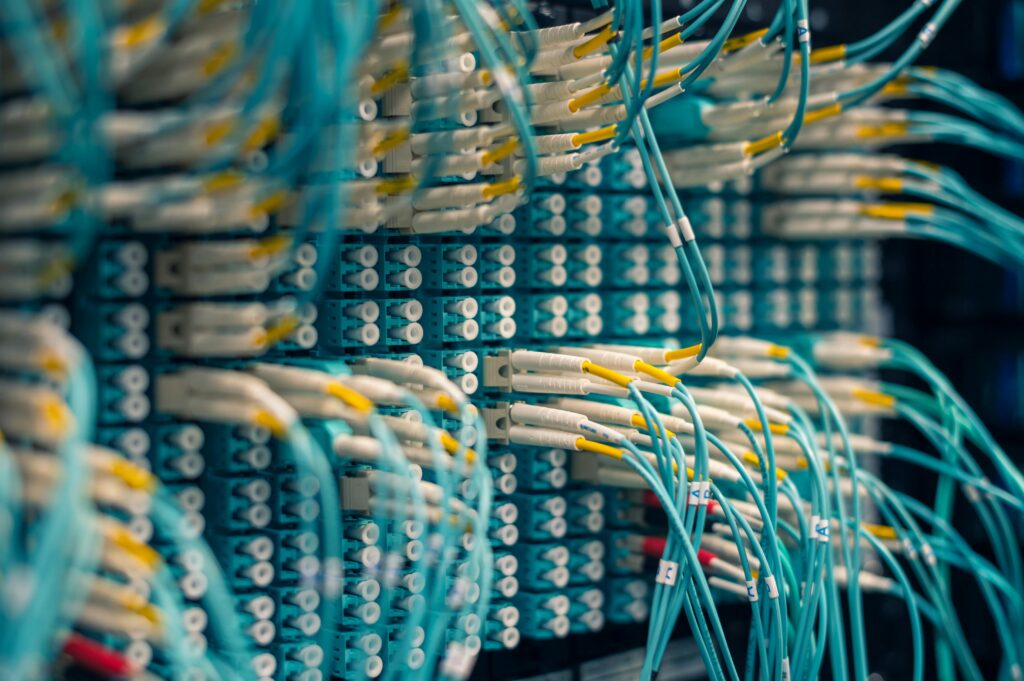
Networking equipment is essential for connecting servers and ensuring seamless communication between devices. This includes switches, routers, and firewalls that facilitate data transmission and secure connectivity while managing bandwidth and traffic flow within the data center.
Additionally, robust cooling systems are vital for maintaining optimal operating temperatures for all equipment. These systems help prevent overheating, which can lead to reduced performance and hardware failure. Efficient cooling solutions, including hot aisle/cold aisle containment and liquid cooling, are increasingly adopted to enhance energy efficiency within modern data centers.
In summary, the interplay between servers, storage systems, networking equipment, and cooling mechanisms is critical for the overall functionality and efficiency of data centers. Understanding these components provides insights into how organizations can optimize their data management practices and ensure reliable service delivery.
Types of Data Centers
Data centers serve as the backbone of modern digital operations, functioning as centralized repositories for an organization’s IT operations and equipment. There are several types of data centers, each designed to meet specific operational needs and requirements.
The first type is the enterprise data center. Typically owned and operated by a single organization, these data centers are customized to meet the specific needs of the business. They are usually located on-premises and are tailored to provide the necessary resources and infrastructure for enterprise applications and data management.
Next, we have colocation data centers. These facilities allow multiple businesses to rent space for their servers and other computing hardware. By sharing resources such as cooling, power, and physical security, organizations can reduce costs while maintaining high availability and redundancy. Colocation centers offer flexibility and scalability, making them suitable for businesses that require secure and efficient operations without investing in an entire facility.
Cloud data centers represent another significant evolution in data center technology. Unlike traditional data centers, cloud data centers are virtualized and are operated by service providers who offer scalable computing resources over the internet. They support various applications, enabling businesses to quickly adjust to changing workloads without the constraints of physical hardware.
Lastly, edge data centers are emerging as critical components in modern IT infrastructure, especially with the rise of IoT devices. These facilities are located closer to end users, reducing latency and improving application performance by processing data locally rather than relying on centralized data centers. As demand for real-time data processing grows, edge data centers are likely to play a pivotal role in future data architectures.
How Data Centers Operate
Data centers are integral to the functioning of modern digital infrastructure, serving as central hubs that manage, process, and store vast amounts of information. The operational aspects of these facilities are multifaceted, focusing on critical elements such as power management, cooling techniques, data flow management, server management, and network connectivity.
Power management is paramount in data centers, where the continuous supply of electricity is vital for operational continuity. These facilities utilize redundant power supplies and uninterruptible power systems (UPS) to prevent downtime. Implementing efficient power distribution models helps optimize energy usage, thereby reducing operational costs and enhancing sustainability.
Cooling techniques are equally crucial in maintaining optimal operational conditions. Servers generate substantial heat during processing, necessitating effective cooling solutions. Common methods include air conditioning systems, liquid cooling, and innovative techniques such as hot aisle/cold aisle containment. Proper cooling not only safeguards equipment longevity but also facilitates consistent performance under varying workloads.
The management of data flow within a data center involves sophisticated systems designed to direct and prioritize information traffic efficiently. Routing and switching devices ensure that data packets reach their destination without delay, while load balancers distribute traffic across multiple servers to prevent overload. This approach guarantees optimal performance and reliability, aligning with users’ expectations for speed and efficiency.
Lastly, server management is a foundational element of data center operations. Effective monitoring and maintenance protocols are implemented to ensure server health and performance. Techniques such as virtualization allow for better resource allocation and increased flexibility, optimizing physical space and reducing costs. Coupled with robust network connectivity, data centers provide seamless integration with cloud services, enhancing their capability to support diverse business needs.
Data Center Security Measures
Data centers play a crucial role in storing and processing sensitive information. To safeguard this data, various security measures are implemented that encompass both physical and digital domains. The integration of these security protocols forms a multi-layered approach essential for protecting data integrity and availability.
Physical security is the first line of defense for data centers. This includes robust measures like surveillance systems, perimeter fencing, and controlled access points to prevent unauthorized entry. Staffed security personnel monitor access to the facility, ensuring that only authorized individuals can enter sensitive areas. Additionally, biometric authentication methods—such as fingerprint and retinal scans—are frequently employed to fortify these security measures.
In addition to physical safeguards, cybersecurity protocols are equally essential in protecting a data center’s digital landscape. These protocols typically involve the implementation of firewalls, intrusion detection systems, and encryption techniques to defend against cyberattacks. Regular software updates and security patches are applied to mitigate vulnerabilities in hardware and applications, thereby reinforcing the security framework.
Access controls further enhance security measures by restricting user permissions based on roles within the organization. Role-Based Access Control (RBAC) ensures that employees can only access the information necessary for their roles, significantly reducing the risk of insider threats and data leaks. This is often complemented by multi-factor authentication (MFA), which adds another layer of verification in user authentication processes.
Compliance standards, such as GDPR or HIPAA, dictate that data centers adhere to stringent security protocols to ensure the protection of sensitive information. Meeting these compliance requirements not only fosters trust with clients but also mitigates legal risks associated with data breaches. Thorough audits and assessments are conducted to ensure ongoing compliance and identify areas for improvement.
In conclusion, the combination of physical security, cybersecurity protocols, access controls, and compliance standards creates a comprehensive security framework that fortifies data centers against both physical and digital threats. These measures collectively help maintain the integrity and confidentiality of sensitive information stored within.
The Role of Virtualization in Data Centers
Virtualization has emerged as a pivotal technology within modern data centers, fundamentally transforming how resources are managed and utilized. At its core, virtualization involves creating a simulated or virtual version of hardware, including servers, storage devices, and network resources. By abstracting these physical resources, virtualization enables multiple virtual machines (VMs) to run on a single physical machine, significantly enhancing resource utilization.
One of the primary advantages of virtualization in data centers is its capacity to maximize resource efficiency. Traditionally, physical servers may run at low utilization rates, leaving much of their potential untapped. However, with virtualization, a single server can host multiple VMs, each operating independently with its own operating system and applications. This consolidation leads to reduced hardware requirements, decreasing the overall cost associated with server procurement and maintenance.
Cost reduction extends beyond hardware savings. Virtualization also simplifies management by utilizing centralized management tools. Administrators can easily monitor, deploy, and migrate VMs as needed, ensuring optimal performance and resource allocation. This agility is particularly beneficial in dynamic environments where demand fluctuates. Moreover, advanced forms of virtualization, such as containerization, allow applications to run in isolated environments without the overhead of an entire operating system, thereby further optimizing resource usage.
Technologies such as VMware, Microsoft Hyper-V, and Kubernetes have become standard within data centers, encapsulating the progressive trends in virtualization and container orchestration. These tools enable organizations to respond quickly to changing business needs, ensuring that resources are not only utilized efficiently but also managed effectively. As enterprise workloads continue to grow, the integration of virtualization technologies will remain crucial for optimizing data center operations.
Trends in Data Center Technology
As the demand for data processing and storage continues to rise, data center technology is evolving rapidly to meet these needs. One of the most significant trends in this field is the integration of artificial intelligence (AI) and machine learning into data center operations. These technologies enable predictive analytics, which helps in optimizing resource utilization, predicting equipment failures, and automating various operational processes. By utilizing AI, data centers can enhance performance and reduce operational costs significantly.
In addition to AI, advancements in energy efficiency are also becoming a critical focus for modern data centers. With the increasing awareness of climate change and the necessity for sustainable practices, many data centers are adopting energy-efficient technologies and design principles. Innovations such as advanced cooling systems, virtualization, and efficient power distribution are being implemented to minimize energy consumption. This not only reduces operational costs but also aligns with the growing trend toward green data centers, which prioritize sustainability.
The shift towards green data centers involves the implementation of renewable energy sources, such as solar and wind power, to reduce carbon footprints. These facilities often incorporate energy recovery systems and utilize high-efficiency hardware that consumes less power. Moreover, governments and organizations are incentivizing this transition through regulations and grants, propelling the adoption of greener practices.
Beyond energy efficiency and AI, emerging technologies such as edge computing are reshaping the landscape of data centers. By placing computing resources closer to where they are needed, edge computing reduces latency and improves response times for various applications. Looking ahead, it is anticipated that data centers will increasingly leverage technology like 5G connectivity, enabling real-time data processing capabilities. This evolution suggests a future where data centers are not only more efficient but also play a crucial role in supporting the expanding digital ecosystem.
Challenges Facing Data Centers
Modern data centers are increasingly pivotal in supporting a vast range of digital services, yet they confront several challenges that demand innovative solutions and strategic planning. One significant challenge is scalability. As organizations grow and data requirements expand, data centers must adapt efficiently without compromising performance. Achieving seamless scalability involves sophisticated infrastructure design and investment in cutting-edge technology, ensuring that resources can be dynamically allocated as demand fluctuates.
Security threats are another pressing concern for data centers. With the rise of cyberattacks, safeguarding sensitive data against unauthorized access and breaches is paramount. Security measures—including firewalls, intrusion detection systems, and robust encryption protocols—are necessary to protect against these threats. Additionally, data centers must constantly update their security frameworks to address evolving attack vectors, keeping ahead of potential vulnerabilities.
Environmental concerns are also critical as data centers operate at substantial energy consumption levels, contributing to carbon footprints. The push for sustainability is leading many facilities to explore renewable energy sources and implement energy-efficient practices. Innovations like liquid cooling systems, advanced airflow management, and utilization of artificial intelligence for predictive maintenance are being adopted to reduce energy consumption while maximizing operational efficiency.
Addressing these challenges requires a multifaceted approach that includes adopting advanced technologies and practices. Collaboration among various stakeholders, including technology providers, regulatory bodies, and environmental organizations, can facilitate the development of solutions that not only enhance the operational capabilities of data centers but also ensure they meet the growing demands of today’s digital landscape.
Conclusion and Future Outlook
Data centers play a crucial role in the modern digital ecosystem. As businesses increasingly rely on cloud computing, big data analytics, and Internet of Things (IoT) technologies, the significance of these facilities has only heightened. Data centers not only store vast amounts of information but also facilitate the processing and management of this data, making them essential for operational efficiency and productivity across various industries.
The future of data centers appears promising, characterized by ongoing innovations in technology and sustainability. Significant shifts towards energy efficiency and green practices are becoming evident, with many companies prioritizing environmentally friendly solutions. These measures not only lessen the carbon footprint of data center operations but also promote sustainable business models in an era where corporate responsibility is increasingly valued.
Emerging technologies, such as artificial intelligence (AI) and machine learning (ML), are set to enhance data center operations further. These technologies can optimize resource allocation, improve predictive maintenance, and provide intelligent automation, ultimately leading to reduced operational costs and improved service delivery. Furthermore, the rise of edge computing is anticipated to decentralize data processing, leading to the establishment of smaller, local data centers that can process data closer to where it is generated, thereby decreasing latency and improving overall performance.
In conclusion, as we look forward, data centers will continue to evolve, adapting to both technological advancements and societal needs. Their importance will remain paramount as they facilitate the digital services and innovations that drive our economy and enhance our everyday lives. This evolution will not only impact businesses but will shape how we interact with technology in the coming years, marking an exciting chapter for data centers in our increasingly connected world.
About the Author






1 thought on “Beggist data centre in 2026? What is data centre!”