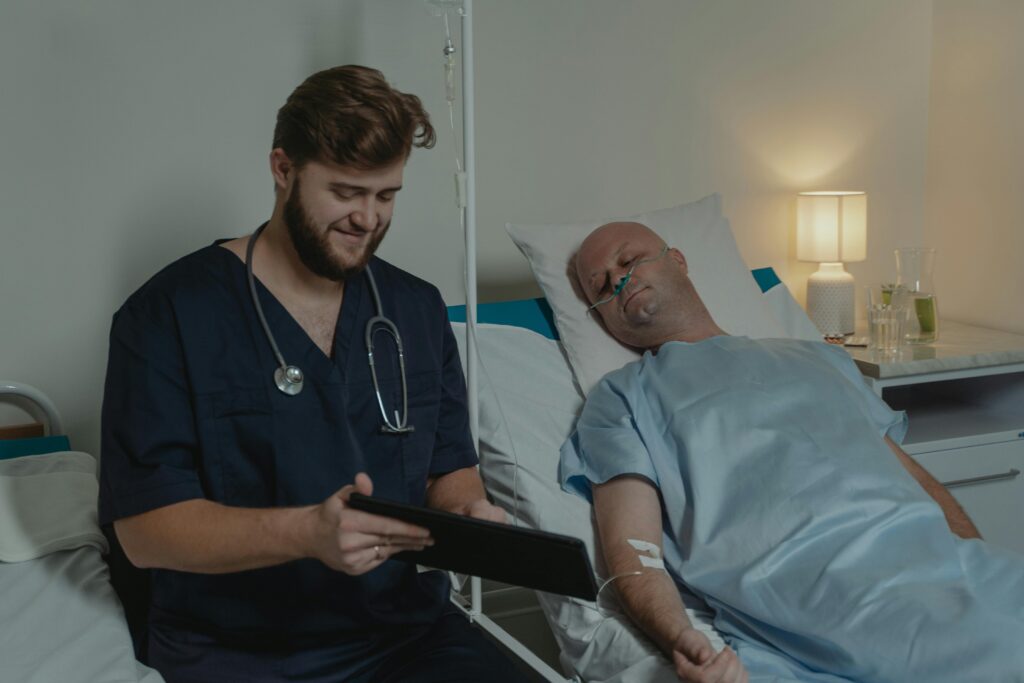
Overview of Nursing in Germany
Nursing in Germany is a vital profession within the healthcare sector, characterized by its stable demand and diverse roles. As of 2023, the country faces a significant shortage of healthcare professionals, especially nurses, due to an aging population and increasing healthcare needs. This demand is projected to persist, indicating robust career opportunities for aspiring nurses in the coming years.
The nursing profession in Germany encompasses various roles, including registered nurses, nursing assistants, and specialized nurses in fields such as pediatrics, geriatrics, and critical care. Nursjob demandes are not only responsible for directly caring for patients but also serve crucial functions in patient education, health promotion, and the management of chronic conditions. The role of nurses is highly respected in German society, often viewed as a cornerstone of the healthHealthcarecare system, reflecting the essential services they provide in hospitals, clinics, and community health settings.
The healthcare system in Germany is characterized by its dual financing model comprising public health insurance and private health insurance. This structure ensures that a majority of the population has access to healthcare services, which significantly corresponds to the demand for nursing professionals. Additionally, the government has implemented measures to improve working conditions, such as enhancing nursing education and providing further training opportunities, aimed at attracting more individuals to the profession. Thus, nurses play a critical role in ensuring the efficiency and effectiveness of healthcare delivery in Germany.
In summary, the nursing sector in Germany offers a multitude of opportunities amidst a growing demand for skilled professionals. As the healthcare landscape continues to evolve, the significance of nurses in delivering quality care and maintaining public health remains paramount.
Educational Requirements for Nursing in Germany
Becoming a nurse in Germany involves adhering to specific educational requirements that are crucial for ensuring high standards in healthcare. The pathways to a nursing career in Germany are primarily divided into vocational training programs and university degrees, each presenting distinct advantages and career opportunities.
One of the most common routes is the vocational training program, known as “Berufsausbildung.” This route typically lasts for three years and is conducted through a combination of theoretical instruction and practical training in healthcare facilities. Trainees gain hands-on experience while acquiring essential skills under the supervision of experienced healthcare professionals. The vocational training culminates in a state examination, which is crucial for obtaining a nursing license.
Alternatively, aspiring nurses can pursue a university degree in nursing. This academic path usually spans three to four years and provides a more comprehensive understanding of nursing theory, healthcare policies, and advanced clinical practices. University programs often offer specializations in areas such as pediatric nursing, geriatric care, or surgical nursing, enhancing employability across various fields within the healthcare system.
Regardless of the chosen route, it is imperative for nursing students to complete a recognized qualification, which is essential for obtaining the necessary license to practice as a nurse in Germany. Additionally, applicants are generally required to have a secondary school diploma or its equivalent, although specific prerequisites may vary depending on the institution or program.
Furthermore, proficiency in the German language is mandatory, as effective communication is vital in ensuring patient safety and quality care. Therefore, aspiring nurses should consider language courses if they are not already fluent. Overall, both educational pathways play an essential role in cultivating skilled nursing professionals equipped to meet the demands of modern healthcare in Germany.
Language Proficiency and Communication Skills
Acquiring proficiency in the German language is a fundamental step for aspiring nurses who wish to practice in Germany. Given that nursing involves extensive interaction with patients, families, and healthcare staff, a strong command of the language is not only beneficial but also essential. Proficiency in German enables nurses to communicate effectively, understand medical terminologies, and demonstrate empathy towards patients’ needs.
Most healthcare institutions in Germany require prospective nurses to pass specific language exams such as the TestDaF or the Goethe-Institut examinations, which assess listening, writing, reading, and speaking skills. The required level of proficiency typically corresponds to the B2 or C1 levels of the Common European Framework of Reference for Languages (CEFR). This aids in ensuring that nurses can handle practical situations, engage in patient discussions, and perform within their hospital teams smoothly.
To attain the necessary proficiency, it is advisable for aspiring nurses to enroll in intensive language courses tailored to healthcare settings. Various programs offer specialized training that focuses on medical vocabulary and situational dialogues that nurses are likely to encounter. Online resources and language exchange platforms can also be valuable tools for improving language skills. Additionally, practicing conversational skills with native speakers or participating in language clubs can significantly enhance confidence and fluency.
Beyond language proficiency, developing effective communication skills is crucial. Aspiring nurses should prioritize not only the technical aspects of language but also the ability to listen actively and respond appropriately. This ensures that they can build rapport with patients and work collaboratively with colleagues in a diverse medical environment. Possessing strong communication abilities can significantly influence patient care outcomes and overall job satisfaction.
Recognizing Foreign Qualifications in Germany
Foreign-trained nurses aspiring to practice in Germany must undergo a process to have their qualifications recognized. This recognition is crucial as it determines the equivalence of their training and expertise with German standards. The German government operates under specific regulations that outline the requirements for foreign professional qualifications, including nursing.
The first step in this recognition process is to contact the relevant authority, which varies depending on the state in which the nurse intends to work. Generally, the Berufskammer (Chamber of Professions) or the Gesundheitsamt (Health Authority) will provide guidance on the required procedures. Applicants must submit their educational certificates, proof of professional experience, and other necessary documentation to these bodies for evaluation.
Documentation should be complete and translated into German by a certified translator to ensure proper assessment. In many cases, continuing education certificates and verification of language competence in German (typically at least B2 level) are also required. This language proficiency is essential as effective communication with patients and team members is vital in a healthcare setting.
One of the prominent challenges faced by foreign nurses is the potential discrepancy between their qualifications and German standards. This may necessitate additional training or adaptation courses, a process that can be both time-consuming and financially burdensome. Some applicants may also struggle with navigating the bureaucratic aspects of the process, which is often complex and requires diligence.
To effectively navigate the recognition process, foreign-trained nurses should seek assistance from professional advisory services and networks that specialize in integration into the German healthcare system. These resources can provide valuable insights, support, and potentially aid in overcoming any obstacles encountered along the way.
Applying for Nursing Positions in Germany
The process of applying for nursing positions in Germany involves several critical steps that require attention to detail, a well-prepared CV, and an appealing cover letter tailored to German standards. A successful application should highlight relevant qualifications, work experience, and language proficiency, particularly in German, as effective communication is crucial in the healthcare sector.
When creating your CV, it is vital to include sections such as personal details, education, work experience, certifications, and language skills. The German CV often follows a chronological format with a clear layout, emphasizing relevant experience up front. Ensure to present your educational background, including your nursing qualifications, succinctly and clearly. Utilizing bullet points for job duties and achievements can also improve readability and ensure that the most pertinent information stands out.
Your cover letter should complement your CV by showcasing your personality and enthusiasm for the nursing profession. Clearly articulate why you are interested in working for the specific healthcare institution, as well as what makes you a suitable candidate. It is advisable to conduct thorough research on the organization to personalize your cover letter effectively.
The interview process typically involves both a formal and informal discussion where the panel may explore your clinical skills and your ability to align with the healthcare team. Be prepared for competency-based questions, as well as scenario-based inquiries that will assess your critical thinking and problem-solving skills in a nursing context.
For those seeking job opportunities, various online platforms and websites list nursing positions across Germany. Additionally, utilizing recruitment agencies dedicated to healthcare can enhance your job search. Networking through professional associations or local nursing events can also provide valuable contacts and insights into the hiring process within the German healthcare system.
Visa and Work Permit Requirements
For non-EU nurses aspiring to work in Germany, understanding the visa and work permit requirements is imperative for a successful transition. The German government has established various visa pathways tailored to accommodate healthcare professionals, particularly in the nursing sector, where there is a significant demand for skilled labor.
The primary visa options available to non-EU nurses include the Employment Visa and the Blue Card. The Employment Visa caters to foreign nationals who have secured a job offer from a German employer, while the Blue Card presents an opportunity for highly skilled workers, including nurses, to live and work in Germany. The latter is especially attractive due to its benefits, such as a more straightforward application process and an expedited residency path.
To begin the application process, applicants are required to gather specific documentation. Essential items include a valid passport, proof of nursing qualifications, a job offer from a German healthcare facility, and a recognized language proficiency, usually in German at the B1 level or higher. Additionally, a health insurance certificate, proof of financial stability, and any professional licensing documents may be necessary.
It is advisable for applicants to familiarize themselves with the Ausländerbehörde (Foreigners Authority) in the city where they intend to reside, as they can provide invaluable guidance regarding the application process. Furthermore, working with a recognized immigration consultant may streamline navigation through Germany’s necessary bureaucratic channels.
In conclusion, understanding the visa and work permit landscape in Germany is essential for non-EU nurses. By carefully preparing the required documents and seeking adequate support, aspiring nursing professionals can enhance their chances of a smooth and successful immigration process.
Living and Working in Germany as a Nurse
Working as a nurse in Germany can be a fulfilling and rewarding experience, offering various benefits and opportunities for professional development. The typical working hours for nurses generally range from 36 to 40 hours per week, with many positions requiring shifts that include nights, weekends, and holidays. This shift-based system is designed to ensure that healthcare services are available at all times, and many employers provide support for shift work through allowances or additional pay.
As for salary expectations, nurses in Germany enjoy competitive wages that can vary considerably depending on experience, location, and the type of healthcare facility. On average, a nurse can expect to earn between €2,500 and €3,500 per month. Additionally, nurses working in metropolitan areas often have higher salary potential, likely due to the higher cost of living in cities like Berlin, Munich, and Frankfurt.
In terms of benefits, nurses typically receive health insurance, paid vacation, and pension contributions. Moreover, many employers offer educational courses and professional development opportunities, which can be a valuable asset for career advancement. These benefits contribute significantly to work-life balance, allowing nurses to enjoy leisure time while pursuing their professional goals.
Regarding housing options, new nurses should consider looking for accommodations near their workplace, as commuting can be time-consuming and sometimes costly. Germany offers various housing types, including shared flats, apartments, and single-family homes, depending on individual preferences and financial circumstances. Moreover, many towns and cities offer amenities that enhance the quality of life, such as parks, cultural events, and public transport systems.
Adjusting to life in Germany may initially pose challenges, particularly for those coming from different cultural backgrounds. To ease the transition, it is advisable to participate in cultural integration programs, language courses, and community events that foster connections with locals. This proactive approach can help new nurses build a supportive social network while adapting to their new environment.
Continuing Education and Career Advancement
The nursing profession in Germany is continually evolving, necessitating ongoing professional development for practitioners. Continuous education enhances a nurse’s ability to deliver high-quality care, remain up-to-date with the latest medical advancements, and adapt to changes in healthcare policies and technologies. Various pathways exist for nurses to further their education and advance their careers.
Nurses in Germany can pursue specialized training in fields such as pediatrics, geriatrics, or mental health. By enrolling in specific certification programs, nurses can acquire the expertise needed to work in these focused areas, thereby improving their employability and potential earnings. Several institutions offer courses tailored for working professionals, ensuring flexibility and convenience in achieving further qualifications.
Additionally, many nursing professionals opt to pursue a bachelor’s or master’s degree in nursing or healthcare management. These academic qualifications not only deepen theoretical knowledge but also provide the skills necessary for administrative and leadership roles within healthcare settings. Nurses equipped with advanced degrees often find themselves in positions that include nurse managers, clinical educators, or healthcare policy advisors.
Networking is also crucial to career advancement in nursing. Attending conferences, joining professional organizations, and participating in workshops can help nurses build valuable connections within the healthcare industry. These connections may lead to mentorship opportunities or even job offers.
Ultimately, career advancement in nursing is attainable through a commitment to lifelong learning and professional development. By actively seeking additional training, specialization, and academic opportunities, nurses can significantly enhance their career trajectories, contributing not only to their personal growth but also to the overall improvement of healthcare services in Germany.
Conclusion and Future Outlook for Nursing
As we have explored in this comprehensive guide on how to become a nurse in Germany in 2026, the nursing profession is on the brink of significant transformation. The pathway to nursing has become clearer, with streamlined educational requirements and increased emphasis on practical training. Prospective nurses are encouraged to embrace this evolving landscape, as it presents both challenges and opportunities for professional growth.
Looking ahead, we can anticipate several changes within the nursing field in Germany. One of the most notable trends is the implementation of updated regulations aimed at standardizing nursing education and practice. These regulations are likely to focus on enhancing the quality of training and ensuring that nurses are well-prepared to meet the complexities of modern healthcare environments.
In addition to regulatory changes, the healthcare system in Germany is evolving to address demographic shifts and technological advancements. The aging population will require more healthcare services, thereby increasing the demand for skilled nurses. Consequently, nurses will need to adapt by developing competencies in areas such as geriatric care, chronic disease management, and the use of digital technologies in patient care.
The role of nursing is becoming increasingly pivotal in health promotion and disease prevention, underlining the necessity for nurses to be at the forefront of patient education and advocacy. As public awareness of health issues grows, nurses will take on a proactive role in shaping health policies and practices. This evolution presents an exciting opportunity for nurses to influence positive change within the healthcare system.
In conclusion, the nursing profession in Germany is poised for a dynamic future. By staying abreast of regulatory changes, embracing lifelong learning, and capitalizing on their evolving roles, nurses will be well-positioned to tackle future healthcare challenges and enhance patient outcomes.
About the Author